
How to Choose a Reliable Military Uniform Manufacturer: A Complete Guide for B2B Buyers
By KMS Operational Team | OCTOBER 24, 2026
Finding the right military uniform manufacturer is an important decision for wholesalers, distributors, tactical equipment brands, and professional procurement teams. Beyond competitive pricing, buyers need a manufacturing partner that can deliver consistent quality, accommodate customization requirements, maintain production standards, and support long-term supply needs.
Whether you are sourcing Army Combat Uniforms (ACUs), Battle Dress Uniforms (BDUs), camouflage clothing, or other tactical apparel and gear, choosing the right supplier can significantly influence your product quality, customer satisfaction, and business profitability.
So, what should B2B buyers look for when selecting a military uniform manufacturer?

In this guide, we will explore six essential factors to consider when evaluating military uniform suppliers, helping you make informed sourcing decisions and build a reliable supply chain.
1. Evaluate the Manufacturer’s Experience & Production Capabilities
Manufacturing experience is an important starting point when comparing military uniform suppliers. An experienced manufacturer is more likely to understand the practical challenges involved in fabric sourcing, pattern development, garment construction, production planning, and quality consistency.
However, experience alone is not enough. Buyers should also evaluate the manufacturer’s actual production capabilities.
When assessing a potential supplier, consider the following:
- Manufacturing experience: Does the supplier have experience producing military uniforms, camouflage clothing, or tactical apparel for wholesale customers?
- In-house capabilities: Can the manufacturer manage key processes such as pattern making, cutting, sewing, and finishing?
- Production capacity: Can the factory handle your required order quantity and expected delivery schedule?
- Product range: Does the supplier offer different uniform styles and complementary products to meet your sourcing needs?
- Export experience: Is the manufacturer familiar with international business communication, export documentation, packaging requirements, and shipping coordination?
A supplier with suitable production capabilities can help simplify communication, reduce coordination challenges, and support more efficient order management.
KMS MANUFACTURING
At KMS, we focus on military and tactical equipment manufacturing and supply, offering a product range that includes military uniforms, protective equipment, footwear, bags, and accessories. Our integrated approach helps B2B customers explore multiple product categories through one sourcing partner.
2. Choose the Right Fabrics for Your Application
Fabric selection directly affects a military uniform’s comfort, durability, breathability, appearance, and suitability for different operating environments.
There is no single fabric that is ideal for every application. The right choice depends on the intended use, climate, expected wear conditions, maintenance requirements, and buyer specifications.
Here are several important factors to consider when sourcing military uniforms.
2.1 Fabric Composition
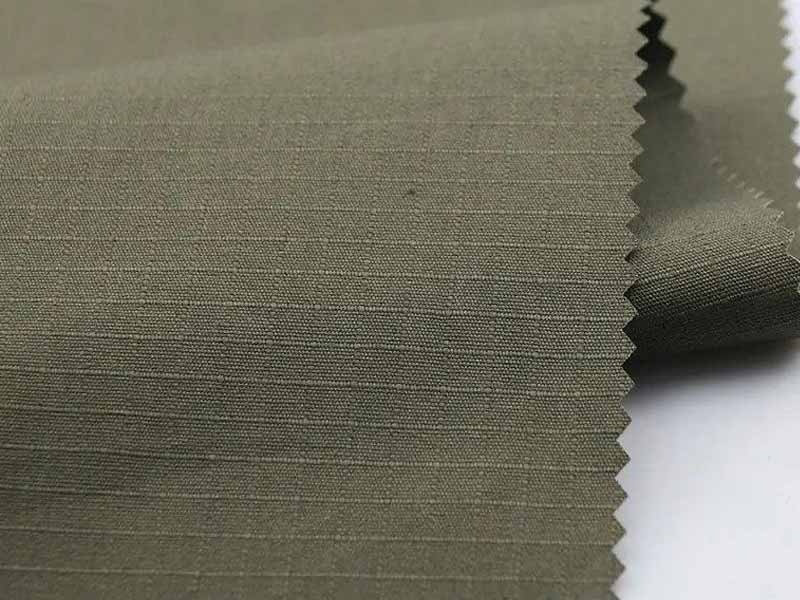
Polyester-cotton blends are commonly considered for military and workwear applications because they can balance durability, comfort, and ease of care. The appropriate blend depends on the required performance characteristics and intended use.
Cotton-rich fabrics may be preferred for certain comfort-focused applications, while synthetic fibers can offer advantages in drying speed and dimensional stability, depending on the fabric construction and finishing process.
2.2 Fabric Weight and Construction
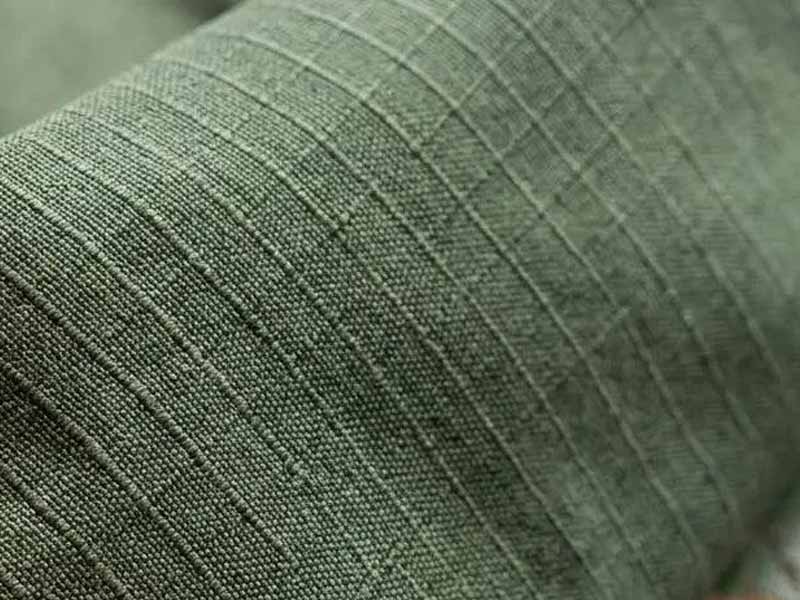
Fabric weight influences garment structure, comfort, and suitability for different conditions. Lighter fabrics may be appropriate for warm-weather uniforms, while heavier options may be considered for applications requiring a more substantial garment.
Fabric construction also matters. Ripstop fabrics, for example, use a reinforced grid structure designed to help limit the spread of tears.
When comparing suppliers, confirm fabric composition, weight, weave, available colors, and any required performance tests rather than relying on general descriptions alone.
2.3 Camouflage Patterns and Color Consistency
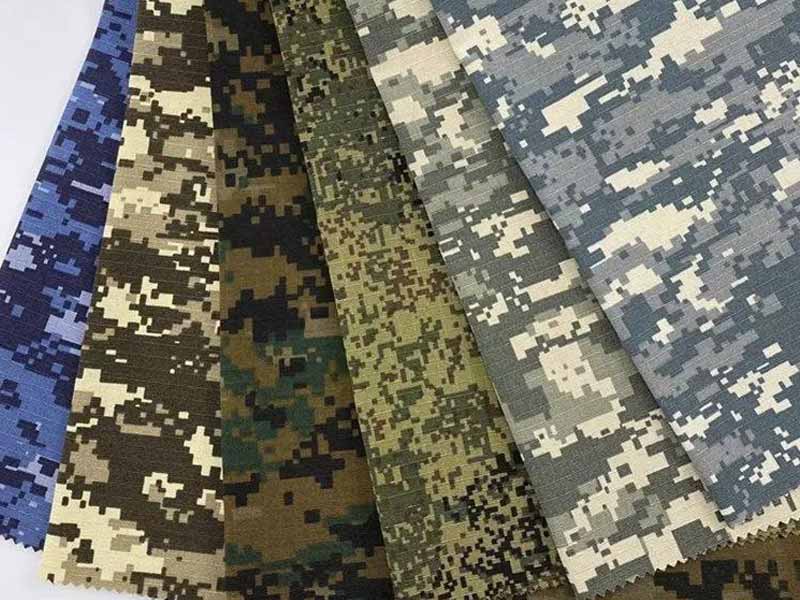
For camouflage uniforms, pattern accuracy and color consistency are particularly important. Buyers should confirm the required pattern, print quality, color references, and approval process before production.
If a project requires a specific proprietary or regulated pattern, make sure the design and its intended use are properly authorized.
KMS MANUFACTURING
At KMS, fabric composition, weight, colors, and other product specifications may be customizable for selected military uniform products. Buyers can discuss their requirements with our team to identify suitable options.
3. Check Customization and OEM Manufacturing Capabilities
For distributors, wholesalers, and private-label brands, customization is often a major consideration when selecting a military uniform manufacturer.
Standard products can be a practical starting point, but different customers may require specific garment constructions, fabric options, sizing systems, branding elements, or packaging configurations.
A capable OEM manufacturing partner should be able to discuss these requirements before production begins.
Common customization options include:
- Fabric and color: Select suitable materials, fabric weights, and approved color options.
- Camouflage patterns: Specify available patterns or provide authorized artwork and references for assessment.
- Garment construction: Discuss pocket layouts, closures, reinforcement areas, and other functional details.
- Sizing and fit: Establish the required size range, measurement chart, and grading specifications.
- Branding and labeling: Confirm applicable logos, labels, tags, and packaging requirements.
- Product development: Review technical drawings, reference images, or samples to determine the feasibility of a custom design.
Before placing a bulk order, buyers should establish a clear approval process for samples, specifications, and any design revisions.
A useful approach is to prepare a technical specification sheet containing the fabric details, garment measurements, construction requirements, color references, accessories, labeling, and packaging instructions.
This helps the manufacturer understand your expectations and gives both parties a consistent reference throughout production.
KMS MANUFACTURING
KMS offers customization and OEM/ODM-related services for military and tactical equipment. Whether you are developing a new product or adapting an existing style, communicating your requirements clearly from the beginning can help make the process more efficient.
4. Understand the Manufacturer’s Quality Control Process
Quality control is essential when sourcing military uniforms in bulk. Even a product that looks satisfactory in a sample may encounter consistency issues during mass production if specifications and inspection procedures are not clearly defined.
A reliable supplier should be able to explain how quality is managed at different stages of manufacturing.
4.1 Material Inspection
Fabric, trims, closures, and other components should be checked against the agreed specifications before production. Depending on the project, inspections may cover color, weight, visible defects, dimensions, and material documentation.
4.2 Sample Approval
A pre-production sample provides an opportunity to confirm the garment’s appearance, measurements, construction, and functional details before bulk manufacturing begins.
Buyers should document the approved sample and any relevant technical specifications to reduce the risk of misunderstandings.
4.3 In-Process Inspection
Production checks can help identify stitching defects, measurement deviations, construction problems, and other issues before they affect a large quantity of finished products.
4.4 Final Inspection
Finished garments should be inspected against the agreed acceptance criteria. Relevant checks may include measurements, stitching, closures, pocket placement, labeling, workmanship, and packaging.
For projects with specific performance or compliance requirements, buyers should also establish the necessary testing methods, documentation, and acceptance standards before production.
A key point for B2B buyers: Do not evaluate a supplier’s quality control system solely on verbal assurances. Ask what is inspected, when inspections take place, how defects are handled, and what records or reports can be provided.
Clear quality requirements help both the buyer and manufacturer work toward consistent results and more predictable repeat orders.
5. Compare Pricing, Minimum Order Quantities, and Lead Times
Price is an important consideration in wholesale sourcing, but the lowest quotation does not always represent the best overall value.
When comparing military uniform manufacturers, evaluate the complete cost structure alongside production capacity and delivery commitments.
5.1 Request Comparable Quotations
To compare suppliers fairly, provide the same specifications to each manufacturer. Your inquiry should include:
- Product type and design
- Fabric composition and weight
- Required colors or camouflage patterns
- Size range and quantity breakdown
- Customization and branding requirements
- Packaging specifications
- Destination country and preferred shipping terms
- Target delivery date
Without consistent specifications, quotations may cover different materials, construction details, or service levels.
5.2 Confirm Minimum Order Quantities
Minimum order quantities (MOQs) can vary by product, fabric availability, customization requirements, and production arrangements.
For example, a customized camouflage print may involve different preparation requirements from an existing fabric option. Buyers should confirm whether the MOQ applies to the total order, each color, each design, or each size configuration.
It is also worth discussing sample costs, development charges, and any additional expenses associated with custom production.
5.3 Establish Realistic Lead Times
Ask the manufacturer to clarify the expected timeline for sampling, material preparation, bulk production, inspection, and shipment.
For customized products, the schedule may depend on artwork approval, fabric sourcing, sample revisions, and other project-specific factors.
A realistic production plan is more valuable than an overly optimistic delivery promise. Make sure the agreed timeline and key milestones are documented before confirming the order.
6. Look for a Supplier That Can Support Long-Term Growth
A good manufacturing partner should meet your current sourcing requirements while offering the flexibility to support future business development.
For wholesalers and distributors, this may mean expanding from a small selection of uniform styles to a broader product range. For private-label brands, it may involve developing new designs, refining existing products, or coordinating multiple categories through one supplier.
When evaluating long-term cooperation, consider the following questions:
- Can the supplier support repeat orders using approved specifications?
- Can it accommodate reasonable product revisions and new development projects?
- Does it offer complementary military and tactical equipment?
- Can the supplier communicate clearly about production progress and potential delays?
- Does it understand the documentation, packaging, and delivery requirements of your target market?
- Is it willing to discuss a practical sourcing plan based on your business needs?
A long-term partnership depends on more than product availability. Clear communication, transparent expectations, and consistent execution all contribute to a more dependable supply relationship.
KMS MANUFACTURING
At KMS, our product portfolio covers military garments, protective equipment, footwear, bags, accessories, and outdoor equipment. Our services also include customization and supply support for different types of business partners.
For buyers seeking a broader military and tactical product sourcing solution, working with a supplier that understands multiple product categories can help simplify supplier coordination.
A Practical Checklist Before Placing Your First Order
Before committing to a military uniform manufacturer, use the following checklist to organize your evaluation.
| Evaluation Area | Questions to Confirm |
|---|---|
| Manufacturing capability | Does the supplier have relevant production experience and suitable capacity? |
| Fabric specifications | Are composition, weight, construction, and colors clearly defined? |
| Customization | Can the required design, sizing, branding, and construction details be accommodated? |
| Sample approval | Is there a documented process for sample review and final approval? |
| Quality control | Are inspection procedures and acceptance criteria clearly established? |
| Pricing and MOQ | Does the quotation specify quantities, customization costs, and other relevant charges? |
| Lead time | Are sampling, production, inspection, and shipping schedules realistic? |
| Compliance | Have applicable product, testing, sourcing, and import requirements been confirmed? |
| Communication | Are responsibilities, approvals, and order updates clearly coordinated? |
| Long-term supply | Can the supplier support repeat orders and future product development? |
Taking the time to confirm these points before ordering can help reduce sourcing risks and establish a stronger foundation for long-term cooperation.
Why Consider KMS for Military Uniform Sourcing?
Choosing a military uniform manufacturer is about finding a partner that understands your product requirements, communicates clearly, and can support your business objectives.
KMS provides military and tactical products for international buyers, with a portfolio spanning uniforms, protective equipment, footwear, bags, and accessories. Our customization and OEM/ODM-related services support customers who need to discuss product specifications and sourcing arrangements for their projects.
Whether you are sourcing ACU-style uniforms, BDU uniforms, camouflage clothing, or other military and tactical products, our team can discuss your requirements and help identify suitable options.
When preparing your inquiry, sharing the intended application, product references, quantity, fabric preferences, customization details, and target delivery date will help us better understand your project.
Looking for a military uniform manufacturer for your next wholesale order?
Contact KMS to discuss your product requirements, request a quotation, and explore potential manufacturing cooperation.